
European Roulette brings the sophistication of classic casino gaming to your screen with enhanced odds and strategic play. With only one zero on the wheel, it offers better chances than its American counterpart. Join the excitement at TAYA777, where players unlock new levels of thrill and winning potential every spin.
Understanding the European Roulette wheel
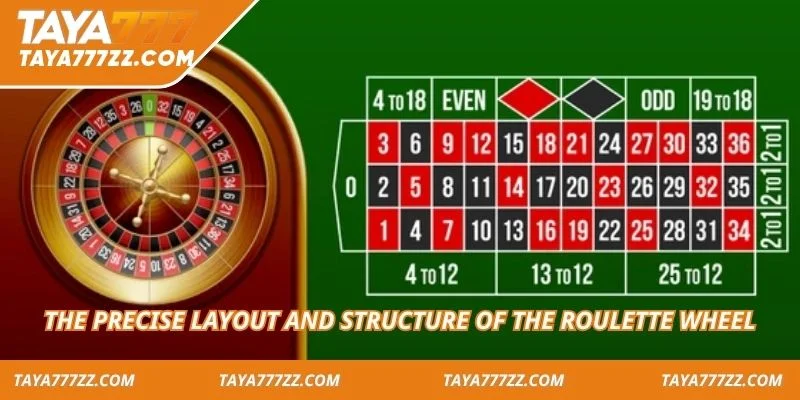
European Roulette has captivated players for generations with its blend of elegance and strategy. To truly master the game, it’s important to understand the structure of the wheel and how it influences outcomes. With one zero and 36 numbered pockets, this format offers better odds than many of its counterparts.
The Single Zero Advantage
When discussing Euro Roulette, the most defining feature is its single zero pocket. This sets it apart from the American version, which has both a single and double zero. That one change drastically affects the house edge and the probability of winning.
The European wheel consists of 37 numbered pockets ranging from 1 to 36, plus a single green zero (0). This arrangement gives the house a lower edge—around 2.7%—compared to the 5.26% in American Roulette. The single zero ensures that outside bets like red/black or odd/even have better chances, making the game more favorable for players. This design helps explain why European Roulette is the version of choice in many casinos around the world.
Number sequences their role and function.
However, it has been carefully structured to provide balance and fairness during spins. Understanding this layout can help players make more strategic decisions. The European Roulette wheel alternates red and black numbers, with a deliberate placement that ensures even distribution of low and high numbers, odd and even, and red and black values.
For example, high numbers don’t cluster together; instead, they’re spaced out across the wheel. This organization keeps the game unpredictable and fair. Recognizing the numerical pattern may not guarantee wins, but it allows players to identify sections for specific betting strategies, such as neighbors or sector bets.
Inside and outside bets in relation to wheel layout
To bet wisely, players need to see how the betting table relates to the wheel layout. Although the table and the wheel are organized differently, knowing how they connect can provide insights into better bet placement.
Inside bets target specific numbers or small groups of numbers, while outside bets cover broader categories like red/black or dozens. The wheel’s structure—especially the positions of numbers—can influence sector betting strategies like the Voisins du Zéro, Orphelins, or Tiers du Cylindre. These bets are based on physical wheel sections, not just the betting table.
The role of the croupier and wheel direction
Most players focus on numbers and betting, but few consider the role of the croupier or the spinning direction. Yet these elements subtly influence outcomes, especially for observant players who track patterns or “dealer signatures.”
In traditional European Roulette, the croupier spins the ball in one direction and the wheel in the opposite, creating random yet mechanical outcomes. Skilled players sometimes try to read the croupier’s rhythm to predict which areas the ball might land in.
Although this is far from an exact science, it adds an extra layer of engagement to the game. Understanding this aspect doesn’t mean relying on superstition—it means appreciating the mechanics that make each spin unique.
Key differences between european and american roulette
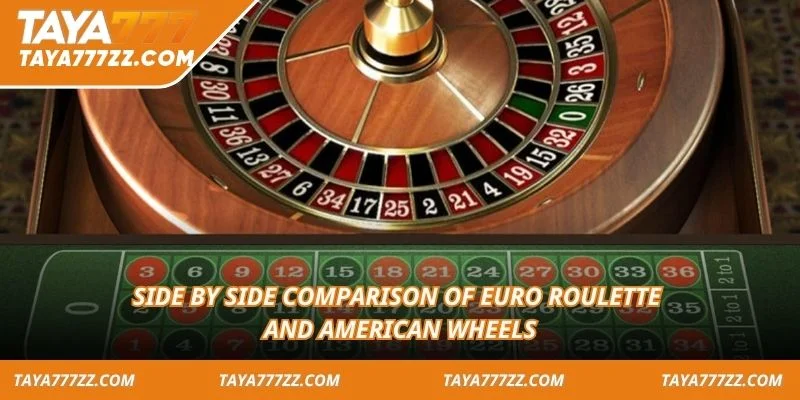
While both games share the same basic rules, subtle structural differences create significant impacts on gameplay and winning odds. Here’s a breakdown of the major contrasts between European Roulette and its American counterpart.
- Number of zeros: European wheels feature a single zero (0), while American wheels have both a zero (0) and a double zero (00). This extra pocket increases the house edge in American Roulette.
- Total number of pockets: European Roulette has 37 pockets in total, whereas the American version contains 38 due to the additional double zero. This affects the probability of all number based bets.
- House edge: The house edge in Euro Roulette is approximately 2.7%, significantly lower than the 5.26% found in American Roulette. This means better odds for the player in the European version.
- Number sequence on the wheel: The sequence of numbers around the wheel differs. The European layout is more balanced in terms of odd/even and red/black distribution, while the American sequence can seem more arbitrary.
Despite sharing a name and concept, these two roulette types offer quite different gaming experiences. If you’re aiming for higher winning chances and smoother strategy application, European Roulette typically provides the more favorable option.
Top betting strategies for long term success
Mastering the right betting strategies is essential for anyone seeking long term success at the roulette table. While luck is a factor in every spin, having a solid approach can help minimize losses and increase consistency. Players who understand the balance between risk and reward often come out ahead by being disciplined and sticking to tested systems.
One of the most popular strategies is the Martingale, which involves doubling your bet after every loss. This method banks on the probability that a win will eventually occur, recouping losses in one successful spin. However, it requires a substantial bankroll and caution, especially with table limits in place. In European Roulette, where the house edge is lower, this strategy has a slightly better chance of working over time.
Another effective approach is the D’Alembert system. Instead of doubling bets, this strategy increases the wager by one unit after each loss and decreases it after a win. It’s a slower, more conservative method, making it ideal for players who want to extend their gameplay without high risk. The steady progression can be well suited for European Roulette, where consistent returns are more achievable due to the single zero.
The key to long term success lies in knowing when to bet, how much to risk, and when to walk away. Strategies alone won’t guarantee a win, but they provide structure and control—two critical factors in any gambling environment. Choosing a method that fits your style and sticking to it is what separates casual players from seasoned winners.
See more: 7 Up 7 Down Master The Dice Game – Tips Odds – Fun Play
Inside bets vs outside bets risk and reward
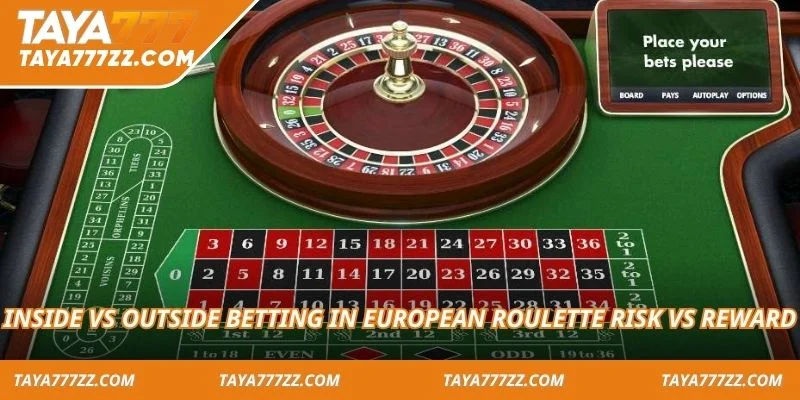
In the world of roulette, understanding the difference between inside and outside bets is crucial for managing risk and maximizing potential rewards. These two types of wagers offer distinct experiences and appeal to different playing styles, from high risk thrill seekers to cautious strategists. Each carries its own probability and payout structure, especially noticeable in European Roulette.
Inside bets focus on specific numbers or small groups of numbers on the table layout. These include straight up bets, splits, streets, and corners. While these bets come with higher payouts—up to 35 to 1 for a single number—they also carry a significantly lower chance of winning. Players who enjoy calculated risks and larger potential returns often gravitate toward inside bets for their high reward potential.
Outside bets, on the other hand, cover broader categories like red or black, odd or even, and high or low numbers. These bets have much better odds of success, often close to 50%, but offer lower payouts—typically 1 to 1 or 2 to 1. In European Roulette, where the presence of a single zero improves the player’s edge, outside bets become an attractive option for those looking to stretch their bankroll.
Choosing between inside and outside bets often comes down to risk tolerance and gameplay goals. High stakes players may prefer the adrenaline of inside bets, while long term thinkers might lean on the steadiness of outside bets. Balancing the two can offer a well rounded strategy that keeps both excitement and control in check.
RTP and house edge why European Roulette wins
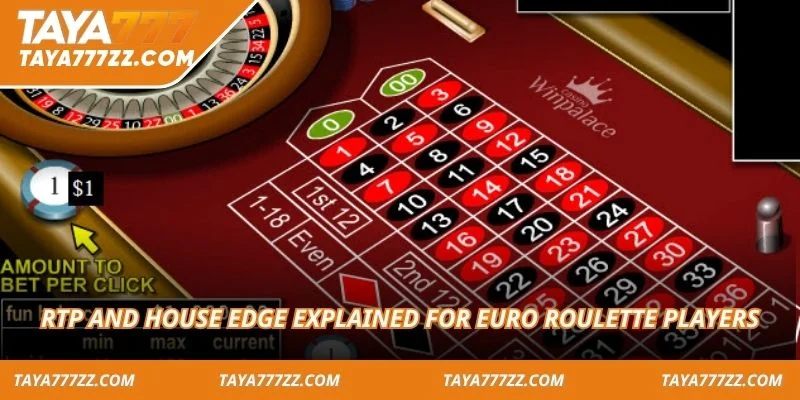
Understanding Return to Player (RTP) and house edge helps players make smarter choices at the casino. Here’s why Roulette stands out as a superior option for those seeking better odds.
- Lower house edge (2.7%): Roulette has a house edge of just 2.7%, thanks to its single zero. This lower edge gives players a stronger chance to retain more of their bankroll over time compared to American Roulette’s 5.26%.
- Higher return to player (RTP): With an RTP of 97.3%, European Roulette returns more to players in the long run. This means that for every $100 wagered, about $97.30 is statistically returned, making it one of the most player friendly table games.
- Fewer zero pockets, less risk: The single zero design reduces the chances of losing on even money bets. In contrast, the double zero in American Roulette decreases those odds and increases the likelihood of the house winning.
- Consistency across bet types: Whether betting on single numbers or broader outside categories, Roulette maintains a consistent advantage for players. The even spread of odds ensures fair and predictable gameplay without unnecessary risk spikes.
In conclusion, the math clearly favors European Roulette for players who value long term returns. The combination of a high RTP and a lower house edge makes it a smart choice for those aiming to play with better odds and more confidence.
Conclusion
European Roulette stands out with its player friendly odds and immersive experience. It’s the perfect blend of elegance and strategy. For the best spins and bonuses, make your move at TAYA777, where every game could be your winning moment.





